






May 26, 2022

It's no secret that healthcare providers care for people from all walks of life. Community health and access to healthcare are vital for the well-being of our society. But unfortunately, some populations are more vulnerable than others when it comes to health. Patients may come from many different social and economic circumstances, which can complicate care management in the most vulnerable populations.
But that doesn't mean there aren't ways to alleviate the disparities. Healthcare providers can find creative solutions to treating vulnerable patients, helping them get the best care possible. Let's look at some of the most vulnerable populations in healthcare today and the best practices for managing their care.
The Most Vulnerable Populations in Healthcare and How to Help Them
Treating the whole person means taking into account their entire situation. Vulnerable patients face many hurdles in their healthcare journey, and no two life stories are alike.
Older Adults
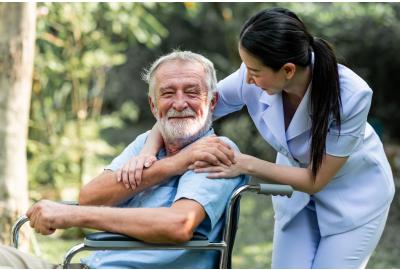
Elderly people can suffer from chronic health conditions and comorbidities, which can make them more vulnerable. They may lack adequate support networks, housing, or finances and are at a higher risk for abuse or neglect by caregivers. Some older adults who still live independently might also be having cognitive or physical impairments, leading to safety issues at home.
Healthcare providers should be mindful of these risk factors when evaluating elderly patients. Getting a full picture of the person's situation, medical history, and other risks will help providers make the best treatment plan. Providers should watch out for signs of high risk in their elderly patients, such as repeated ER visits, poor grooming, or neglect of medical issues. Providers can empower older patients by connecting them with any resources they may need, like home health2.
People Living in Rural Areas
Patients living in rural areas can be vulnerable, as they may simply lack access to adequate healthcare. Also, these patients are often elderly or low income, leaving them with more risk factors for vulnerability. In addition, rural patients may not have access to better jobs or transportation to access adequate healthcare. Specialized medical providers are often few and far between in rural areas, compounding the issue4.
Telehealth could be the wave of the future to improve healthcare access across the board. Through telehealth, patients have a means of speaking to specialists and providers they otherwise wouldn't have. Telehealth is less costly and more convenient for rural patients than traveling far to see their physician for routine care. As telehealth use expands, access to healthcare for rural communities may improve1.
Underprivileged Patients
Low-income and homeless people are very vulnerable when it comes to healthcare. For example, one study in Canada noted that those who live in poverty have a higher risk of chronic health conditions. So they often need more healthcare but run into barriers accessing it. It can also be more challenging for healthcare providers to care for these populations since they may not feel like they have the proper resources3. Some studies also show a social distance between providers and underprivileged patients due to their differing socioeconomic backgrounds.
There are some helpful ways to care for underprivileged patients. First, taking the time to build a personal connection with a patient is imperative, maybe even more so when treating underprivileged patients. It's essential to get to know the patient, actively listen to their concerns, and voice understanding for whatever they're going through. This personal connection between patient and provider can convey empathy and help bridge any gaps caused by socioeconomic disparities3.
Other Care Management Strategies for Effective Care
The first step towards helping vulnerable patients is to identify them. By being aware of which populations are at higher risk, each provider can better serve them. Children, minority groups, and LGBTQIA+ people can all face unique challenges in the healthcare system in addition to the groups discussed above6. Providers need to understand each patient's social and cultural perspective and language barriers3.
Here are some other care management strategies for healthcare professionals.
Meet Patients Where They Are
Providers need to align their expectations with patient circumstances. Care management can be more effective when the patient is involved in their care, to whatever extent possible. Providers can set patients up for success by fully explaining treatment options, actively listening, and ensuring the patient understands everything.
In one study, providers observed that underprivileged patients could experience stigma and stress due to their socioeconomic status. This can contribute to unhealthy behaviors. So the providers thought about this when making treatment plans. Rather than expecting the patient to change these behaviors completely, they just kept encouraging patients to take even small steps towards better health3.
When it comes to care management of vulnerable populations, it's important to meet patients where they are. Providers can empower patients by giving them the knowledge to help themselves and make whatever changes possible.
Collaboration and Teamwork
Many vulnerable populations experience real barriers to healthcare access, sometimes lacking even the resources to live a healthier lifestyle. Providers should collaborate with other professionals — like specialists, social workers, and mental health providers. By doing so, providers can act as a bridge between the patient and any care resources they may need. By functioning as part of a healthcare team, healthcare providers can match patients with the right care and help them live their healthiest lives3.
Standardize Policies That Can Improve Outcomes
There are many ways to bolster the quality of care for vulnerable populations. Some facilities have found that education programs and outpatient services improve patient care. One example is a Missouri hospital that set out to reduce readmissions from diabetes. They integrated diabetes care throughout the inpatient side and enacted more robust outpatient care, education, and staffing to coordinate care. They were able to decrease diabetes readmissions significantly after their efforts5.
When we care for those most in need, it benefits everyone in society. It's not always easy to manage patients' care in a complex medical system where disparities unfortunately exist. But at the end of the day, if we work together and make a stand to improve outcomes for everyone, each provider can make a difference.
References:
- American Hospital Association. "Telehealth: Delivering the Right Care, at the Right Place, at the Right Time." https://www.aha.org/system/files/content/17/telehealth-case-examples.pdf
- Culo, S. "Risk Assessment and Intervention for Vulnerable Older Adults." BC Medical Journal. https://bcmj.org/articles/risk-assessment-and-intervention-vulnerable-older-adults
- Loignon, C., Fortin, F., et al. "Providing care to vulnerable populations: a qualitative study among GPs working in deprived areas in Montreal, Canada." Oxford Journals: Family Practice. https://www.ncbi.nlm.nih.gov/pmc/articles/PMC4371892/
- Rural Health Information Hub. "Rural Health Disparities." https://www.ruralhealthinfo.org/topics/rural-health-disparities
- Siegel, B. "Improving Quality and Patient Safety for Vulnerable Populations." National Academy of Medicine. https://nam.edu/perspectives-2013-improving-quality-and-patient-safety-for-vulnerable-populations/
- Waisel, D. "Vulnerable Populations in Healthcare." Current Opinion in Anesthesiology. https://pubmed.ncbi.nlm.nih.gov/23385323/